

When I first started my role as a dielectric oil filtration plant supplier, I'll admit I had to defend my products a lot. Potential clients in high-voltage industries-power grid operators, utility companies, manufacturing plants with heavy electrical infrastructure-would often ask the same skeptical question: Can a dielectric oil filtration plant really handle the extreme demands of high-voltage applications? It's a fair question. High-voltage systems aren't just "bigger" versions of standard electrical setups; they operate at voltages that can range from tens of kilovolts to over a megavolt, and they rely on dielectric oil to do far more than just lubricate or cool. This isn't a space for guesswork. Over the years, I've seen firsthand how the right filtration plant isn't just a maintenance tool-it's a critical component in keeping these systems safe, reliable, and compliant with industry standards. Let me break down why the answer is a resounding yes, and how our plants fit perfectly into this high-stakes environment.
First, let's ground ourselves in what high-voltage systems demand from dielectric oil. Transformer oil, which is the core dielectric fluid used in most high-voltage transformers, circuit breakers, and switchgear, has two primary jobs at these voltages: it insulates between live electrical parts (preventing arcing that could cause catastrophic failures) and dissipates heat generated by continuous operation. But over time, that oil breaks down. Contaminants-moisture, sludge, particulate matter, and even dissolved gases from electrical stress-creep in. For high-voltage equipment, even trace amounts of these contaminants can be disastrous. A single part per million of moisture in a transformer's oil can reduce its dielectric strength by 20% or more, creating a path for electrical breakdown. Sludge, meanwhile, clogs cooling channels and insulates heat, leading to overheating that accelerates oil degradation. That's why effective purification isn't optional-it's a necessity, and this is where dielectric oil filtration plants come in.
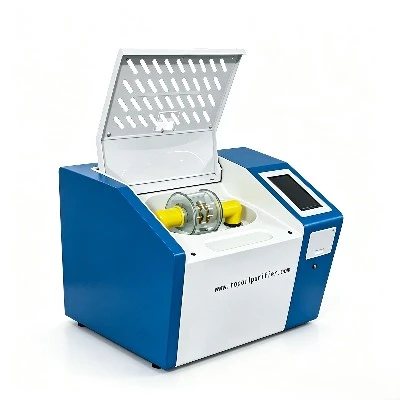
I've had clients tell me, "We just change the oil regularly-why filter?" The difference is night and day. Fresh dielectric oil has a dielectric strength of around 35-40 kV per 2.5 mm gap. Contaminated oil can drop that to 20 kV or lower, which is well below the minimum required for high-voltage applications. A good filtration plant doesn't just remove surface contaminants-it addresses the root causes of degradation. For example, vacuum dehydration, a technology core to most industrial dielectric oil filtration plants, can strip out moisture at a molecular level, even when it's dissolved in the oil. Particulate filtration, using precision microfilters, removes solid debris that wouldn't be caught by basic separation methods. Gas extraction systems, too, pull out harmful byproducts like acetylene and methane, which are red flags for internal faults in transformers. This level of purification is exactly what high-voltage systems need to stay within safe operating limits.
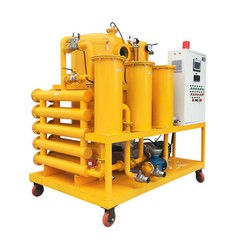
I want to make this concrete with an example from a client I worked with last year. A regional power utility was struggling with two 230 kV transformers that kept tripping unexpectedly during heavy load periods. Initial oil tests showed moisture content at 12 ppm and a dielectric strength of 22 kV-way too low for their voltage rating. They tried topping up with new oil, but the problem kept coming back because the old oil was already contaminated from years of gradual degradation. They brought in our Insulating Oil Treatment Plant, which is purpose-built for high-voltage transformer applications. Over a 48-hour period, the plant removed 90% of the moisture, filtered out 95% of the sludge and particulates, and extracted excess dissolved gases. When testing was complete, the dielectric strength jumped to 41 kV, and moisture content dropped to 3 ppm. The transformers haven't tripped once since. That's the kind of result that proves these plants aren't just theoretical-they work in real high-voltage scenarios.
Now, not all filtration plants are created equal, and that's a key point I emphasize to potential clients. When I talk about dielectric oil filtration plants for high-voltage use, I'm not referring to the small, portable units used for occasional maintenance on small transformers. Wait, actually-portable units have their place too. A Portable Transformer Oil Filter Machine can be deployed quickly to remote substations, making it ideal for emergency purification when a transformer's oil gets contaminated unexpectedly. But for regular, high-throughput purification in a fixed facility, you need a larger, more robust system. Our Dielectric Oil Purifying Machine, for instance, is engineered with industrial-grade vacuum chambers and filtration elements that can handle the volume of oil in large power transformers (which can hold tens of thousands of gallons) without compromising purification quality. That's why I always direct clients to look at purification solutions specifically designed for high-voltage applications, rather than generic oil filtration equipment.


One of the most common misconceptions is that filtration can "bring back" old oil too far gone for reuse. But modern reclamation systems have changed that. A Transformer Oil Reclamation System doesn't just remove contaminants; it can also restore the oil's chemical properties, including its oxidation inhibitors and dielectric additives. For high-voltage applications, this is a game-changer because it's far more cost-effective than buying and disposing of thousands of gallons of new oil, and it reduces waste. I've seen clients save millions of dollars over the lifespan of their transformers by using reclamation instead of oil replacement. Plus, it's better for the environment, which is a huge bonus for utility companies facing increasing regulatory scrutiny.
Let's talk about compliance, because high-voltage industries don't operate in a vacuum-literally. There are strict international standards that govern dielectric oil quality for high-voltage equipment: IEC 60422, IEEE C57.106, and many others. These standards set minimum requirements for dielectric strength, moisture content, and gas levels in oil. The filtration plants we design and manufacture are tested and certified to meet or exceed these standards. That means when a client uses our equipment, they can be confident that the purified oil will pass all required tests, keeping their equipment in compliance and avoiding costly fines or shutdowns. I've had clients tell me they chose our plants specifically because they needed a solution that would help them meet these strict regulations, and that's a responsibility we don't take lightly.
Now, I should address a potential concern: downtime. Utility companies can't afford to take their high-voltage transformers offline for long periods. This is where the efficiency of modern filtration plants shines. Our systems are designed to process large volumes of oil quickly. Even better, some of our units can be installed in parallel with the transformer, allowing continuous purification while the equipment remains in operation. That's a huge advantage over old methods that required complete oil drainage and replacement, which could take days. I've worked with clients to schedule filtration during low-demand periods, and we've been able to get their transformers back online without any noticeable impact on their customers.
I'll also mention that dielectric oil filtration isn't just for power transformers. High-voltage circuit breakers, switchgear, and even some industrial high-voltage motors rely on dielectric oil, and all of these systems face the same contamination risks. We've supplied our purification plants to manufacturing facilities with high-voltage equipment for electric arc furnaces, where the oil is exposed to extreme heat and electrical stress. The results have been just as impressive: extended equipment lifespan, fewer unplanned failures, and lower maintenance costs. So whether it's a utility's substation or a factory's heavy industrial equipment, the same principles apply: high-quality filtration from a purpose-built plant is essential for reliable high-voltage operation.
I've been in this industry long enough to know that trust is everything. Potential clients want to work with a supplier who understands their specific needs, not just sells a machine. That's why I always take the time to walk through a client's equipment, their maintenance schedule, and their pain points before recommending a solution. Sometimes, a portable unit is exactly what they need for routine top-ups, and other times, a fixed, high-capacity Insulating Oil Treatment Plant is the right fit. The key is matching the equipment to the application, and with the range of systems we offer-from portable filters to industrial reclamation units-we can do that.
At the end of the day, the question "Can a dielectric oil filtration plant be used in high-voltage applications?" is about more than just a yes or no. It's about understanding how these plants protect the most critical infrastructure in our electrical systems, how they save money, reduce waste, and keep people safe. I've seen too many avoidable failures in high-voltage equipment that could have been prevented with proper filtration. That's why I'm passionate about what I do.
If you're working in a high-voltage industry and dealing with contaminated dielectric oil, or if you're looking to improve the reliability of your electrical equipment, I'm here to help. We have solutions tailored to every scale of operation, from small substations to large power grids. Don't take chances with your high-voltage systems-let's talk about how a dielectric oil filtration plant can work for you.
References
- Institute of Electrical and Electronics Engineers (IEEE). (2015). Standard for the Validation, Monitoring, and Maintenance of Insulating Oil in Equipment. IEEE Std C57.106-2015.
- International Electrotechnical Commission (IEC). (2013). Guide for the Maintenance of Mineral Insulating Oil in Electrical Equipment. IEC 60422:2013.
- Kars, G., & van der Wielen, P. (2019). Dielectric Oil Degradation and Purification Methods for High-Voltage Transformers. Journal of Electrical Engineering, 70(3), 215-222.
- American Electric Power (AEP). (2021). Transformer Oil Reclamation: A Cost-Effective Alternative to Oil Replacement. Proceedings of the 2021 IEEE Transmission and Distribution Conference and Exposition, 1-5.