

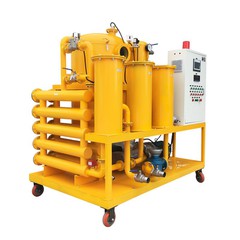
Hey, thanks for stopping by—if you’re here, you’re probably deep in the weeds managing a dielectric oil filtration plant, or maybe looking to level up how you monitor your systems without being glued to a control room 24/7. Let’s cut to the chase: remote monitoring isn’t just a fancy buzzword for us die-hard oil purification folks—it’s what keeps your transformers, circuit breakers, and other high-voltage gear running for years, not months. As someone who’s helped plant owners upgrade their setup over the last decade, I’ve seen firsthand how skimping on remote monitoring capabilities leads to avoidable breakdowns, wasted oil, and tons of extra work.
First, let’s get one thing straight: dielectric oil filtration plants don’t just filter gunk out of oil—they’re the backbone of keeping electrical insulation intact. If your oil gets contaminated with water, gas, or particles, that’s a ticking time bomb for your assets. Remote monitoring turns that time bomb into a dud alert system. Let’s break down the key capabilities that make this work, no stuffy engineering jargon required.
First up, real-time oil quality tracking. This isn’t just “the machine is running”—it’s granular data on every parameter that matters. Think: water content, dielectric strength, gas levels (like dissolved acetylene, methane, the stuff that signals a fault), and particulate count. Our Transformer Oil Separator line, for example, syncs its sensors straight to a cloud dashboard, so you don’t have to send out techs to grab oil samples every week (those lab tests are slow, anyway). If the water content creeps up past 30 ppm, the dashboard pings your phone—no need to wait for a weekly check-in. I had a client last year who caught a tiny water leak in a transformer’s gasket mid-week because of this; if they’d waited for a scheduled test, they’d have been dealing with a full outage by the end of the month.
Wait, but what if you need to track more than just quality? Volume and flow monitoring is another big one that gets overlooked. If your filtration plant is low on virgin dielectric oil, or if the flow rate drops because a filter element is clogged, that can grind your whole process to a halt. Remote flow sensors on the Transformer Oil Purification line we supply let you see exactly how much oil is moving through each stage—vacuum dehydration, particle filtration, degassing—all from your phone or laptop. No more driving out to the plant at 2 a.m. just to check if a pump is working. We even built a little extra alert for when flow drops 10% below normal; that’s usually a sign you need to swap a filter, not a full breakdown.
Next, predictive maintenance for the filtration gear itself. Let’s be real—your oil purifiers need upkeep too, not just the transformers they’re servicing. Remote monitoring can track things like pump vibration, vacuum pressure levels, and filter element lifespan. For example, if a filter is getting close to being spent, the system will alert you 48 hours before it’s completely clogged, so you can schedule a swap during off-hours instead of dropping everything for an emergency. A friend who runs a plant in the Midwest swears by this; he used to burn 6 hours every week swapping filters blind, now he only does it when the system tells him, cutting his maintenance time by 70%. That’s the stuff that makes remote monitoring worth the investment.
But here’s the part most people don’t talk about: cross-system integration. Your dielectric oil plant doesn’t exist in a vacuum (pun intended). It’s connected to transformers, switchgear, maybe even grid monitoring systems. The best remote monitoring setups let you tie all that data together. Like, if a transformer’s dissolved gas levels spike, the Insulation Oil Filtering Machine you’re using to service it can automatically adjust its vacuum level or flow rate to tackle the issue faster—no manual input needed. I worked with a utility company last year that had a faulty transformer throwing off gas; their remote system linked the transformer’s data to their filtration plant, which upped the degassing stage and got the oil back to spec in 2 hours instead of 8. That’s the kind of speed that saves you from a full blackout.
Don’t sleep on data logging and compliance either. A lot of electrical utilities have strict rules about oil quality records for audits and insurance. Remote monitoring automatically logs every quality test, maintenance check, and alert timestamp—no more filling out messy spreadsheets or fumbling for old lab reports when an inspector shows up. Our High Precision Oil Purifier line has built-in audit trails that you can export in 2 clicks; that’s a huge win for teams that are already swamped with paperwork.
Wait, but what about portable vs. fixed plants? A lot of smaller operations use portable oil filters, right? The good news is remote monitoring works for those too. No matter if you’re using a fixed Transformer Oil Filter Plant that runs 24/7, or a portable unit you move between job sites, the sensors sync to the same cloud dashboard. You can track your portable unit’s location, how much oil it’s processed, and its quality data all from your main office. That’s a game-changer for teams that service multiple sites—no need to call the tech on-site every hour to check in.
Now, let’s get real about the “gotchas” with remote monitoring. It’s not perfect—you need a solid internet connection at your plant, obviously. But most modern systems have cellular backup, so even if the Wi-Fi cuts out, you still get alerts via text. Also, don’t overcomplicate it. A lot of vendors try to sell you fancy features you’ll never use, like 3D model visualizations if you just need basic alerts. Stick to what you actually need: real-time quality, predictive maintenance, and easy access to data. We’ve helped a ton of small plant owners avoid paying for unnecessary add-ons by tailoring the monitoring setup to their exact workflow.
I’ve seen too many plants keep using old-school manual checks, pulling oil samples, driving to the lab, waiting 3 days for results—by then, a small contamination issue has turned into a $10k transformer repair. Remote monitoring eliminates that lag, lets you catch issues early, and frees up your team to do actual work instead of running around checking dials. It’s not just about convenience; it’s about protecting your assets and your bottom line.


If you’re thinking about upgrading your dielectric oil filtration plant’s remote capabilities, or if you’re just curious what a system like this would look like for your operation, we’re here to help. We’ve worked with everyone from small local utilities to large national electrical firms, and we can tailor a setup that fits your needs, not a one-size-fits-all template. Shoot us a note to chat through how we can make your filtration process smarter, less stressful, and way more efficient.
References
- IEEE Guide for Diagnostic Field Testing of Fluid-Filled Power Transformers, Regulators, and Reactors (IEEE Std C57.152-2013)
- NACE International. Corrosion Control in Petroleum Production and Processing
- International Electrotechnical Commission. Insulating Liquids – Mineral Insulating Oils for Transformers and Switchgear (IEC 60296:2020)
- Electric Power Research Institute. Dielectric Fluid Conditioning for Power System Assets