

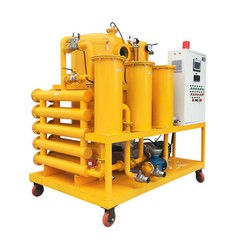

When processing flammable oils in industrial settings, equipment safety is never an afterthought. For oil purifiers operating in areas with combustible gases, vapors or flammable substances, a standard off-the-shelf unit may carry hidden fire and explosion risks. Explosion-proof design is not just an optional upgrade - it is a mandatory safety requirement for many industrial sites. This guide breaks down what explosion-proof oil purifiers are, where they are needed, their core components and how to select the right configuration for your project.
I. What Is an Explosion-Proof Oil Purifier?
An explosion-proof oil purifier is a specialized oil filtration and purification system built for use in hazardous or potentially explosive industrial environments. It is fitted with certified explosion-proof electrical components and integrated safety protection structures to minimize ignition risks from electrical sparks, high surface temperatures, or other potential ignition sources during operation.
Unlike standard oil purifiers, explosion-proof units are equipped with dedicated electrical and control systems that meet strict safety standards for designated hazardous areas, ensuring compliant and safe operation even when flammable atmospheres are present.

II. Why Explosion-Proof Design Is Critical & Typical Applications
Many industrial environments contain flammable gases, vapors or combustible materials. If electrical equipment generates sparks or operates at excessive surface temperatures, it can ignite surrounding substances and lead to fires, explosions and serious safety incidents. Explosion-proof oil purifiers mitigate these risks through three layers of protection: carefully selected components, robust electrical protection and reinforced structural design.
Two Core Conditions for Explosion-Proof Requirements
Whether an oil purifier needs explosion-proof protection depends on two conditions that must both be met: First, the surrounding atmosphere contains or may accumulate combustible gases, vapors or dusts at explosive concentrations. Second, electrical components of the oil purifier - such as motors, control cabinets, heaters and terminal blocks - could act as an ignition source.
From the oil property perspective:
The most direct reference indicator is flash point. Oils with lower flash points vaporize more easily at ambient temperatures, creating a higher risk of flammable oil-air mixtures.
It is important to note that the heating, vacuum treatment and oil atomization processes inside an oil purifier change vaporization conditions significantly. Even for oils with relatively high flash points, such as hydraulic oil, turbine oil or transformer oil, explosion-proof requirements cannot be ruled out solely based on oil type. Risks still exist in cases of uncontrolled heating, accumulated oil mist, or electrostatic and friction sparks.
From the site environment perspective:
The core reference is whether the equipment installation location falls within a classified hazardous area, and whether ventilation is sufficient to prevent the buildup of combustible materials. For the same type of oil, explosion-proof requirements can differ drastically between an open, well-ventilated outdoor site and an enclosed, low-lying pit.
Common Application Industries
These systems are widely used across high-risk sectors including:
- Oil and gas production and processing
- Petrochemical plants
- Oil refineries
- Chemical manufacturing facilities
- Fuel storage and distribution stations
- Industrial plants handling flammable liquids
Hazardous Area Classification
All the industries listed above share a common factor: equipment locations may fall into hazardous area classifications defined by China's GB 50058 standard (aligned with global IEC hazardous area classification principles), which include Zone 0, Zone 1 and Zone 2:

Zone 0: An environment where explosive gas mixtures are present continuously or for long periods.
Zone 1: An environment where explosive gas mixtures are likely to occur under normal operating conditions.
Zone 2: An environment where explosive gas mixtures are unlikely to occur under normal operation, and only exist for short periods if they do appear.
Ventilation directly affects area classification. Per relevant standards, good ventilation can reduce the hazardous area classification, while poor ventilation requires an upgraded classification. Local upgrades are also required for areas with obstacles, pits and dead corners where gases can easily accumulate.
III. Key Components of Explosion-Proof Oil Purifiers
- Explosion-Proof Motors
Specially selected and installed to match the applicable hazardous area classification, these motors prevent internal electrical ignition sources from igniting the surrounding hazardous atmosphere.
- Explosion-Proof Control Cabinet
The electrical control system uses certified explosion-proof components and enclosures. Components that can generate electrical sparks - such as circuit breakers, contactors and relays - are sealed inside flameproof or increased-safety housings to contain arcs and prevent ignition of external gases.
- Explosion-Proof Junction Boxes & Electrical Connection Fittings
Dedicated explosion-proof junction boxes, cable glands, connectors and wiring accessories are used throughout the system. These ensure that cable entry points and electrical connections do not become paths for flames or sparks to spread outward, maintaining the integrity of the overall explosion protection.
- Safety Monitoring & Interlock Protection
Temperature, pressure and level monitoring instruments are selected with matching protection ratings to support safe operation throughout the running cycle. Abnormalities in these parameters are often early warning signs of ignition risks. The interlock shutdown system cuts off risks before sparks or excessive temperatures develop, providing active protection rather than relying solely on the enclosure to withstand an internal explosion.

IV. How Does an Explosion-Proof Oil Purifier Work?
The oil purification process of an explosion-proof oil purifier is largely identical to that of a standard unit. The core difference lies in the explosion-proof configuration of the entire system.
The main purification process typically includes:
Heating: Preheating the oil to reduce viscosity and improve purification efficiency.
Vacuum Dehydration: Removing moisture and dissolved gases from the oil under controlled vacuum conditions (applicable to vacuum-type models).
Precision Filtration: Removing solid contaminants and fine particles through multi-stage filtration.
Oil Discharge: Delivering the purified oil through the outlet system.

FLOW CHART
All electrical components and auxiliary parts of the unit must be selected and rated to match the actual hazardous environment classification of the installation site.
Frequently Asked Questions
What is the difference between an explosion-proof oil purifier and a standard one?
+
-
They share the same purification process. The key difference is the electrical configuration: explosion-proof units use certified flameproof components to avoid ignition risks and work safely in hazardous areas, while standard units are only for non-hazardous sites.
Where are explosion-proof oil purifiers required?
+
-
They are necessary for oil & gas, petrochemical, refinery, chemical and fuel storage sites, especially when equipment is located in Zone 0/1/2 explosive hazardous areas.
How to judge if my site needs an explosion-proof purifier?
+
-
It is required when two conditions coexist: combustible gases/vapors may reach explosive concentration, and electrical parts of the purifier could become an ignition source. Judge by oil flash point and site hazardous area classification.
What are the core explosion-proof components?
+
-
Explosion-proof motor, explosion-proof control cabinet, explosion-proof junction boxes & cable glands, and safety monitoring & interlock system.
What is the selection process for explosion-proof purifiers?
+
-
First confirm site hazardous area and ventilation; then check oil flash point and process conditions; finally rule out extra combustibles on site. Match purification parameters after confirming the explosion-proof level.
Explosion-proof design is a critical safety investment for any industrial site handling flammable oils. Choosing a properly rated unit not only ensures compliance with safety regulations, but also protects personnel, equipment and long-term production stability.
If you need support with explosion-proof oil purifier selection or custom configuration for your site, the technical team at Chongqing Top Oil Purifier Co. Ltd can provide professional guidance and tailored solutions.
Diesel Fuel Polishing Machine TYB-Ex
For detailed product quotations or technical solutions, please contact us through the following:
📞 Contact Information
Abby Xiao
Mobile / WeChat: +86 13983391036
Email: sales@topoilpurifier.com
Website: www.topoilpurifier.com; www.toptester.com.cn
Manufacturer: Chongqing TOP Oil Purifier Co., Ltd.
Address: No. 1, Jianlong N. Rd., Jiulongpo District, Chongqing, China