

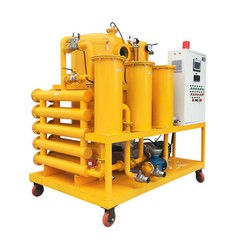
If you’ve ever worked on a marine engine, power plant boiler, or industrial generator that runs on fuel oil, you know how crucial a fuel oil purifier is. It’s the workhorse that gets rid of water, sludge, and tiny solid contaminants that would otherwise wreck your equipment, lower efficiency, or cause unplanned downtime. But here’s the thing: a purifier is only as good as its control system. I’ve been supplying these machines for years, and I’ve seen firsthand how a clunky, outdated control setup can turn a reliable purifier into a headache, while a smart, well-calibrated system keeps it running smooth for years. Today, let’s break down the different control systems you’ll find on fuel oil purifiers—no jargon overload, just the real deal that matters if you’re picking one or troubleshooting an old one.
First off, let’s get one thing straight: fuel oil purifiers (sometimes called centrifuges, since most spin to separate contaminants) don’t all use the same controls. The system you pick depends on your operation’s size, the type of fuel you’re processing, how much maintenance you want to do, and how strict your industry’s regulations are. Let’s start with the most common setup you’ll find on mid-sized marine vessels and small power plants: basic electromechanical control systems. Think of these as the reliable, no-fuss older cousin of control tech. They use simple relays, timers, and pressure gauges to handle core functions like feeding fuel into the bowl, spinning it up to separation speed, discharging sludge, and adjusting water content levels. The best part? They’re super easy to repair—most local engineers know how to fix a bad relay or replace a worn timer without waiting for a specialized technician. But they have their limits: if something goes off script, like a sudden spike in water content, they might not catch it fast enough, and you’re stuck manually adjusting settings, which means more downtime for you. I’ve seen a few fishing trawlers still running these, and while they work for small batches of low-viscosity fuel, they’re not ideal if you’re processing heavy bunker fuel around the clock.
Next, moving up a notch, we have programmable logic controllers (PLCs) paired with touchscreen HMI (human-machine interface) systems. This is the standard for most modern purifiers, from medium-sized industrial setups to large commercial ships. PLCs take all the signals from sensors—flow rate, temperature, bowl speed, water content, differential pressure—to automate every step, so you don’t have to sit there monitoring the bowl 24/7. The touchscreen is where you’ll tweak settings: set when the purifier discharges sludge, adjust the water wash interval (that’s a key step for cleaning the bowl), and get real-time stats on how much clean fuel you’re producing. For example, if you’re using a machine like a Diesel Fuel Polishing Machine, the PLC can adjust the flow rate based on the fuel’s cleanliness level, so you’re not wasting energy processing fuel that’s already good. I’ve had a lot of clients switch from basic electromechanical systems to PLC-HMI setups and swear by them—they cut manual work by like 70%, and the alarms (like “low water in the seal” or “excess sludge”) give you a heads up before a small problem turns into a breakdown.


Now, if you’re running a big operation—think a container ship that processes thousands of tons of bunker fuel a month, or a power plant with multiple purifiers—you’ll want a fully integrated control system that connects to your existing fleet management or plant control network. That’s where distributed control systems (DCS) or industrial internet of things (IIoT) control platforms come in. These don’t just control one purifier; they tie all your purifiers together, let you monitor every unit from a central control room, and even predict maintenance before something breaks. The IIoT part is the game-changer here: sensors can track things like bearing wear, motor temperature, and filter performance, then send that data to a dashboard. If a purifier’s bowl is starting to show signs of uneven spin, the system will flag it a week before it causes an imbalance. I work with a few large port operators that use these, and they love that they can monitor all their purifiers while docked, instead of sending a technician to each ship every other day. Plus, it helps with compliance—they can generate automated reports on fuel quality and purifier performance for maritime or environmental regulators, which saves a ton of paperwork.
Wait, let’s not forget portable control systems. Sometimes you don’t need a full-time purifier bolted to your setup—maybe you have a batch of dirty fuel stored in a tank that you want to polish before using it, or you need to process fuel at a remote site with no fixed equipment. That’s where a portable coalescence separation oil purifier comes in, and it uses a compact, easy-to-use control system. Most portable units have a simple digital control panel—just a few buttons to start/stop, adjust flow, and a small display to show water content. They’re lightweight, so you can wheel them to a storage tank, hook up hoses, and run a batch in a few hours. I’ve shipped these to construction sites that use generators during projects, and to small fleets that store backup fuel, and the control system is designed for people who don’t have dedicated operators—no fancy training required. For example, if you’re dealing with diesel that’s got water in it from sitting in a tank, a portable unit’s controls make it super straightforward to get that fuel back to usable levels.
Another type you’ll see, especially for fuels that have high sulfur or need strict purity, is a control system built specifically for machines like the Diesel Oil Decoloration Machine. These units process diesel that’s gotten discolored from oxidation or contamination, and their control systems are calibrated to handle decoloration steps—like adjusting the chemical injection rate (yes, some decoloration units use a small amount of a special additive) and monitoring the color level in real time. The control system here doesn’t just focus on water and solids; it tracks the fuel’s chemical properties to make sure the decoloration works, so your diesel meets specifications for road or marine use. I’ve helped a few trucking companies pick these for their backup diesel tanks, since old diesel can turn dark and cause filter clogs, and the dedicated controls on decoloration machines make that process consistent.
Wait, let’s talk about the features that matter no matter which control system you pick, because I’ve seen clients skip these and regret it. First, remote monitoring and access. If your purifier is on a ship that’s out at sea, or on a roof of a power plant, you don’t want to have to drive or sail there every time an alarm goes off. Any modern control system should have remote capabilities—you can check the status from your phone or office computer, adjust settings if needed, and even get maintenance alerts. Second, safety interlocks. This is non-negotiable. A purifier’s bowl spins at thousands of RPM, so if something goes wrong, you need the system to shut it down automatically. Like, if the bowl’s door isn’t sealed properly, or if there’s excess pressure, the control system should trigger an immediate stop to prevent a dangerous spill or damage. Third, compatibility with different fuels. If you process both diesel and heavy bunker fuel, your control system should let you switch between fuel types without re-programming every setting. Some older systems are fixed for one fuel, which means you need a new purifier if your fuel supply changes—so that’s a big one.
Let me also mention the coalescer separator control systems, which are key for removing fine water droplets that centrifuges might miss. Coalescer separators use a special media to make tiny water droplets stick together, and their control systems monitor the inlet and outlet water content to adjust flow rate. If there’s too much water coming in, the system slows down the flow so the coalescer media has time to work, making sure the fuel goes through enough to get clean. I’ve had clients that use both centrifuges and coalescer separators for heavy fuel oil, and the combination works great—the centrifuge handles big sludge and solid contaminants, the coalescer handles the fine water, and their controls sync up so they don’t step on each other’s toes.
Now, a quick reality check: when you’re choosing a control system, don’t just go for the fanciest one with all the IIoT bells and whistles if you don’t need them. If you’re a small operation with one purifier on a generator, a basic PLC system might be all you need, and it’ll be way cheaper than a full DCS. But if you’re running a large fleet or power plant, spending a little more on a system that integrates with your existing setup will save you money on labor and downtime in the long run. I always tell clients to start with their specific needs: how much fuel do you process? What type of fuel? Do you need remote monitoring? How much maintenance staff do you have on hand?
If you’re in the market for a fuel oil purifier, whether it’s for portable use, decoloration, heavy polishing, or full separation, we’ve got control systems tailored to all these needs. We’ve helped everyone from small fishing boats to large shipping lines pick the right setup, so if you have questions, feel free to reach out to discuss your requirements.
References
- Marine Engineering Society. (2022). Control Systems for Fuel Oil Purifiers in Commercial Vessels. Journal of Marine Technology, 49(3), 112-128.
- Industrial Fluid Systems Association. (2023). Best Practices for Control Systems in Fuel Polishing Equipment. IFSA Technical Bulletin, 17(2), 45-52.
- International Maritime Organization. (2021). Regulations for Fuel Oil Quality Control and Purification. IMO Marine Environment Protection Committee Report, MEPC.328(75).