


What Is Transformer Oil Breakdown Voltage?
Breakdown voltage refers to the maximum voltage that transformer oil can withstand before electrical breakdown occurs under specified test conditions. During the test, an oil sample is placed between two electrodes, and the voltage is gradually increased until an electrical discharge occurs. The result is expressed in kilovolts (kV). A higher breakdown voltage generally indicates better insulating properties. However, BDV is not the only indicator of transformer oil quality. Moisture content, particle contamination, acidity, and other properties should also be considered when evaluating the overall condition of transformer oil.
How Does Oil Filtration Improve Breakdown Voltage?
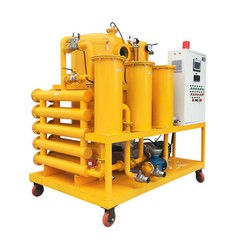
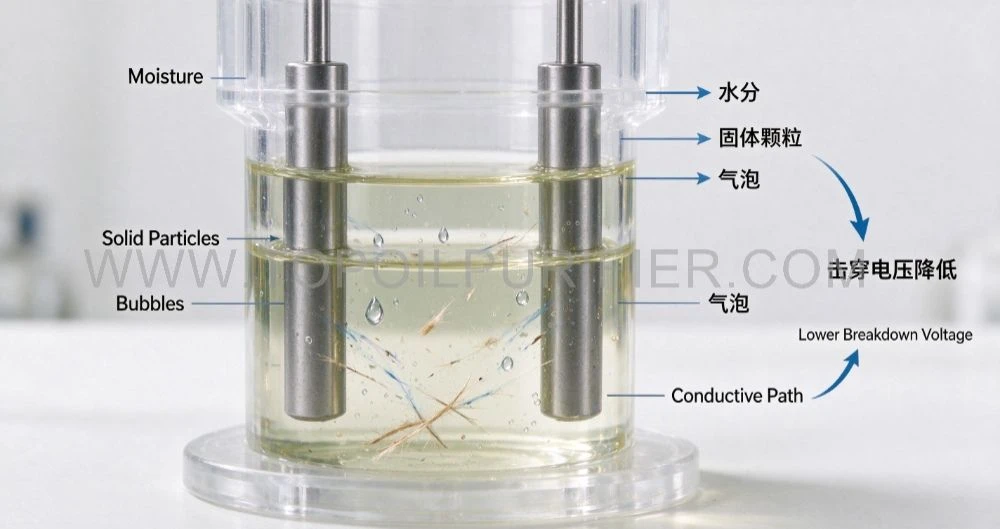
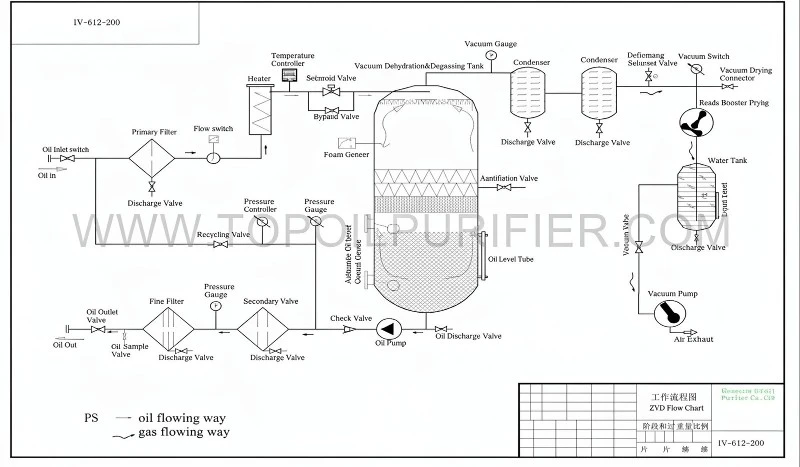
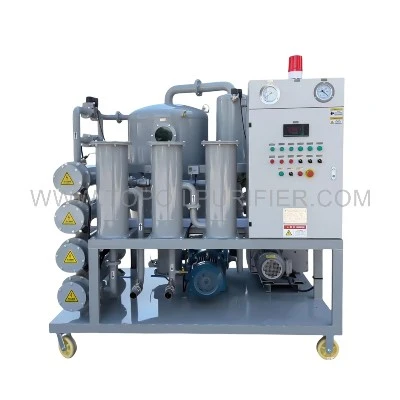
Moisture is one of the main factors affecting transformer oil breakdown voltage. Water can exist in free, dissolved, or emulsified forms. Even a relatively small amount of moisture may significantly reduce the dielectric strength of transformer oil. Vacuum dehydration helps remove free and dissolved moisture from oil. Under vacuum conditions, water evaporates at a lower temperature and is separated from the oil. Degassing removes air and other gases that may affect insulation performance. Suspended particles, such as dust, fibers, metal particles, and other solid contaminants, can also weaken the insulating properties of transformer oil. Precision filtration removes these particles through filter elements with suitable filtration ratings. The ZYD series double-stage vacuum transformer oil filtration machine combines vacuum dehydration and degassing with precision filtration to help reduce moisture, gases, and solid contaminants in transformer oil. This purification process can improve oil cleanliness and dielectric strength, resulting in better breakdown voltage performance.
Key Factors Affecting BDV Results After Filtration
The improvement in breakdown voltage depends on several factors, including the initial condition of the oil, the type and concentration of contaminants, and the performance of the filtration equipment. Therefore, the BDV improvement cannot be guaranteed to reach a fixed value in every application. Proper oil sampling and testing are also essential. Samples should be collected in clean, dry containers to avoid secondary contamination. The same testing standard and consistent test conditions should be used before and after filtration. Common standards include IEC 60156, ASTM D1816, and ASTM D877. Since these standards use different test procedures and electrode configurations, their results should not be directly compared. After filtration, allowing the oil sample to stand for a suitable period can help release residual air bubbles before testing. In addition to BDV, moisture content and particle cleanliness should also be checked to evaluate the purification results. It is also important to understand that filtration cannot reverse severe oil oxidation. If the oil contains high levels of acids, sludge, or other aging products, additional oil reclamation or oil replacement may be necessary.
Conclusion
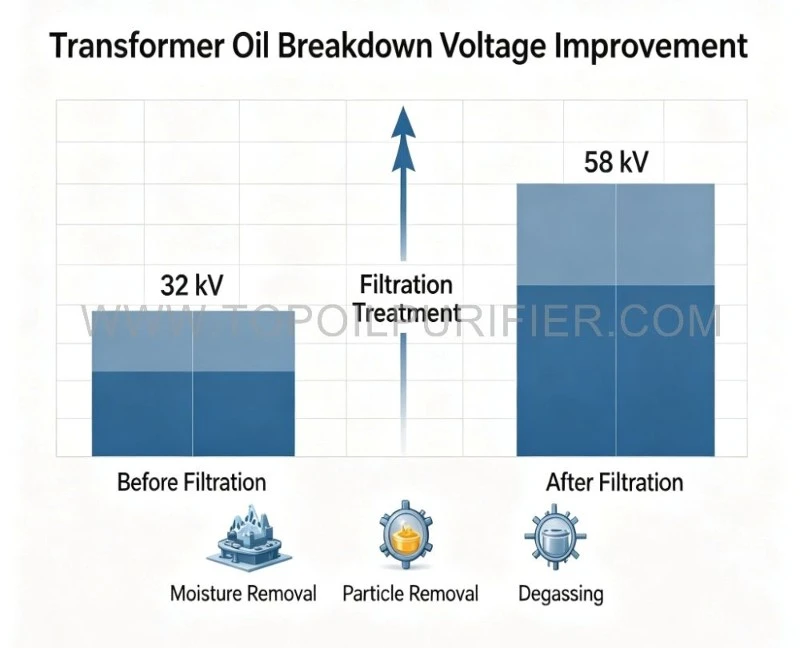
Transformer oil filtration is an effective way to reduce moisture, gases, and solid contaminants that negatively affect insulation performance. Vacuum dehydration, degassing, and precision filtration can help improve transformer oil cleanliness and breakdown voltage. The ZYD series double-stage vacuum transformer oil filtration machine is designed to support effective dehydration, degassing, and filtration, helping maintain the insulating performance of transformer oil. Regular oil condition monitoring, proper filtration, and standardized BDV testing are important for maintaining the reliability and service life of power transformers.

FAQ
Q: How long after filtration can I test the breakdown voltage of transformer oil?
A: After filtration, it is advisable to allow the oil sample to stand for a suitable period so that residual air bubbles can escape. The actual waiting time depends on the oil condition and sampling method. Follow the applicable testing standard and equipment instructions.
Q: Why is the breakdown voltage still low after filtration?
A: Possible reasons include residual moisture, fine particles, air bubbles, severe oil aging, or improper sampling. It is recommended to check the moisture content, particle contamination, and oil condition, and confirm that the filtration process is suitable for the contaminants present.
Q: Can filtration restore the breakdown voltage of severely oxidized transformer oil?
A: Filtration can remove moisture, gases, and solid particles, but it cannot fully remove dissolved acidic compounds or reverse severe oxidation. Oil reclamation or replacement may be required depending on the oil condition.
Q: Which standards are commonly used for transformer oil breakdown voltage testing?
A: Commonly used standards include IEC 60156, ASTM D1816, and ASTM D877. The appropriate standard should be selected according to the application and relevant requirements.
Q: Will repeated circulation filtration damage transformer oil?
A: When the equipment is properly selected and operated under suitable conditions, circulation filtration is generally used to improve oil quality. However, excessive heating or unsuitable operating conditions should be avoided. Follow the recommended operating temperature and equipment instructions.
For detailed product quotations or technical solutions, please contact us through the following:
📞 Contact Information
Abby Xiao
Mobile / WeChat: +86 13983391036
Email: sales@topoilpurifier.com
Website: www.topoilpurifier.com; www.toptester.com.cn
Manufacturer: Chongqing TOP Oil Purifier Co., Ltd.
Address: No. 1, Jianlong N. Rd., Jiulongpo District, Chongqing, China