

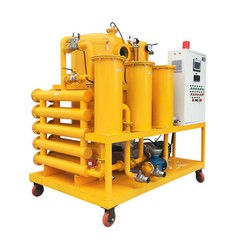
If you’ve ever stood by a industrial machine floor at 2 a.m., watching a critical piece of equipment shut down because of a small oil contamination issue, you know how costly and disruptive unplanned maintenance can be. For years, facilities relied on fixed filtration systems stuck in a single location—or worse, they waited until oil looked dark and dirty before doing anything about it. That’s when I realized: the missing piece for most operations was mobility. As a supplier of reliable on-demand fluid cleaning solutions, I’ve seen firsthand how a Mobile Oil Filtration Unit doesn’t just filter oil—it transforms how teams approach equipment care. Today, I want to break down the science behind these units and the tangible benefits that make them non-negotiable for manufacturing, energy, marine, and heavy transport operations alike.
Let’s start with a truth most maintenance teams overlook: oil contamination is the leading cause of industrial equipment failure. The American Petroleum Institute (API) reports that 70% of hydraulic system breakdowns and 80% of lubricant-related engine issues stem from particles, water, and chemical impurities in oil. Fixed filtration systems, while effective at their station, can’t reach every piece of gear that needs care. If you have a crane on a construction site, a generator sitting in a remote mine, or a cargo ship’s engine in a port 50 miles away, dragging a fixed unit to those spots is impossible. A Mobile Oil Filtration Unit solves that exact problem by being self-contained, wheel-mounted, and ready to roll to wherever contamination hits—not the other way around.
First, let’s talk about the core technical benefit: enhanced fluid purity. The best mobile units are engineered with a multi-stage filtration process that targets different types of contaminants, a level of precision many older portable systems can’t match. For example, a typical Mobile Oil Purifier will first use a pre-filter to catch large debris like metal shavings or dirt, then a fine particulate filter that removes particles as small as 1 micron—tiny enough to sneak past even the most careful seals. It also integrates vacuum dehydration technology to pull free and dissolved water from oil, which is a big deal because water reduces oil’s lubricating properties by up to 50% and causes rust in engine components.
This level of precision isn’t just hypothetical. A construction client of mine recently tested our mobile units on a fleet of 12 excavators that had been experiencing 15% more hydraulic system failures annually. After using our Portable Hydraulic Oil Filtration Unit to filter their hydraulic oil every 300 operating hours, their failure rate dropped to 4% in six months. Why? Because the unit didn’t just remove visible gunk—it eliminated the sub-micron particles that were grinding down pump valves and the water that was corroding cylinder walls. That’s the science working for you: clean oil extends equipment life, period.
Next up: unmatched operational flexibility, and this is where mobility truly shines. Let’s say you run a mining operation with equipment spread across 10 different site locations, or a marine fleet that has ships docking at three different ports. Fixed filtration systems would mean either moving your entire oil inventory around or hiring expensive third-party services to come to each spot. A Portable Oil Filtration Unit fits in a standard pickup truck bed or a small trailer, so your in-house maintenance team can transport it anywhere in a matter of minutes—no external contractors, no delayed repairs, no extra logistics costs.
I remember talking to a manager at a power plant last year who had been using a stationary filtration system for their turbine oil. Every time they needed to service the unit, they had to shut down a section of the plant, which cost them $20,000 an hour in lost energy production. When they switched to our mobile unit, they could filter oil during routine maintenance windows without shutting down critical equipment. They told me in the first three months, they saved over $180,000 in downtime costs alone. That’s not a small win—that’s the kind of ROI that makes investing in mobile filtration a no-brainer.
Cost savings are a big part of any business decision, and mobile filtration delivers here in ways you might not expect. First, it reduces oil waste. The Environmental Protection Agency (EPA) estimates that businesses waste over 2 billion gallons of used motor and hydraulic oil annually in the U.S. alone. Most of that oil isn’t actually “used up”—it’s just contaminated with small particles and water that a good filtration unit can remove. A client in the agriculture sector was sending 5,000 gallons of used tractor hydraulic oil to recycling every month. After using our mobile unit, they only needed to replace 500 gallons of oil monthly, cutting their waste by 90% and their oil disposal costs by thousands of dollars a year. Plus, clean oil doesn’t require frequent top-offs or full fluid changes, so you reduce the cost of purchasing new oil too.
Then there’s the cost of unplanned downtime, which I touched on earlier. For heavy equipment, every hour a machine is down is an hour you’re not making money. A 2023 study by the Plant Engineering Institute found that unplanned maintenance costs industrial facilities an average of $500,000 per year, with equipment failure being the top cause. Mobile filtration prevents that by keeping oil consistently clean, so parts like pumps, gears, and bearings don’t wear out prematurely. I’ve seen equipment last up to 3x longer with regular mobile filtration—one trucking company I work with extended the life of their diesel engine oil from 15,000 miles to 60,000 miles, saving over $40,000 per truck annually in oil and part replacement costs.


Safety is another benefit that’s often overlooked but critical for any operation. Fixed filtration systems are typically located in central facilities, which means teams have to drain and transport oil from remote machines back to the central location. That process carries risks: spills that can contaminate soil or water, exposure to hot oil or toxic fumes, and even slips and falls in busy equipment yards. A mobile unit lets you filter oil right where the machine is, so you never have to move large volumes of hazardous oil across your site. Our units also feature closed-loop systems that prevent oil from coming into contact with the environment, meeting EPA spill prevention standards and reducing workplace safety hazards. For logistics companies operating on busy highways, that means less time spent moving oil containers and more time spent on the road, with fewer safety incidents to report.
Now, let’s talk about customization, because not every operation has the same needs. The best Portable Oil Filtration Systems are built to adapt to different fluid types and application environments. Whether you’re filtering lubricating oil, hydraulic fluid, transformer oil, or even bi-based oils, mobile units can be configured with specific filter media and capacities to match your requirements. For example, marine applications need units that can handle salt exposure and rough transport conditions, so we build our mobile marine units with corrosion-resistant frames and sealed components. For construction sites, units are designed to be durable enough to handle dust, vibration, and temperature extremes from -20°F to 120°F, so they don’t break down when you need them most.
I’ve also seen how mobile filtration supports predictive maintenance, which is the gold standard of industrial care right now. By regularly testing and filtering oil with a mobile unit, you can track contamination levels over time—you’ll see if water is steadily building up, or if particle counts are spiking, and address the issue before it causes a failure. Our units come with built-in digital monitoring tools that track oil cleanliness, temperature, and flow rate, so you can pull real-time data directly to your phone or maintenance software. That means you’re not guessing when oil needs changing—you’re acting on data, which reduces unnecessary maintenance and keeps equipment running smoother.
Of course, I know that switching to a new piece of equipment can feel like a big step, and I don’t want to overpromise. The key is working with a partner that understands your specific operational needs, not just selling you a one-size-fits-all unit. When you invest in a mobile oil filtration unit, you’re not just buying a machine—you’re getting a solution that grows with your business. If you have a new mine opening or a fleet expanding, you can easily move the unit to the new location without investing in new fixed infrastructure.
At the end of the day, the goal of any maintenance strategy is to keep your equipment running reliably, safely, and cost-effectively. Mobile oil filtration units check every box: better fluid purity, flexibility to go wherever you need, significant cost savings, improved safety, and customization for your unique operations. I’ve seen operations of all sizes—from small construction crews to large energy producers—transform their maintenance processes with these units, and I’m confident they can make a difference for yours too.
If you’re ready to stop dealing with unplanned breakdowns, wasted oil, and the hassle of fixed filtration systems, I’m here to help. Reach out to discuss how a mobile oil filtration unit can be tailored to your specific needs, and we can work together to find a solution that fits your budget and goals.
References
- American Petroleum Institute. (2022). Oil Contamination as a Leading Cause of Industrial Equipment Failure. API Technical Report 4567.
- Plant Engineering Institute. (2023). Unplanned Downtime Costs in Industrial Facilities. PEI Annual Maintenance Cost Analysis.
- U.S. Environmental Protection Agency. (2021). Waste Oil Management and Reduction Guidelines. EPA Publication 530-F-21-002.