

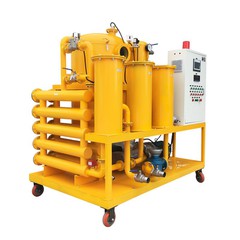
what are the actual environmental protection requirements for a fuel oil purification system? Let's be real-these days, you can't just slap any old separator on a tank and call it done. Regulators are cracking down, clients are more eco-conscious than ever, and if your system doesn't meet the bar, you're looking at fines, downtime, or worse. I've seen too many operators cut corners here, so today I'm breaking down the key environmental rules we have to follow, how our gear checks all the boxes, and what you need to know if you're in the market for this stuff.
First off, let's start with the big picture: why does this even matter? Fuel oil-whether it's heavy bunker, marine diesel, or on-road diesel-has all sorts of yucky stuff in it when it's messy. Water, sediment, sulfur compounds, even tiny metal shavings from storage tanks. If you don't purify that fuel, burning it dumps way more pollutants into the air. And spilled or improperly treated fuel leaks into soil and water, killing plants, fish, and messing up entire ecosystems. Environmental protection agencies (EPA here in the US, MARPOL for international marine stuff, EU's REACH, you name it) have tightened rules so much that skipping proper purification isn't just unethical-it's a legal headache.
So what are the non-negotiable environmental protection requirements? Let's break them down one by one, because each ties directly to how your purification system works.
First, emissions control when burning the purified fuel. Wait, right-this isn't just about cleaning the fuel before use; it's about making sure when it's burned, it doesn't spew too many bad gases. The big ones here are sulfur oxides (SOx), nitrogen oxides (NOx), and particulate matter (PM). MARPOL Annex VI, for example, says marine fuel can't have more than 0.5% sulfur globally, and even lower in Emission Control Areas (ECAs) like the Baltic Sea or North America. A good purification system has to remove enough sulfur compounds and sediment from fuel to meet those limits. If your system only pulls out big water droplets but leaves sulfur, you're not going to pass emissions tests. That's why a lot of our clients go for a Diesel Oil Decoloration Machine or a Diesel Fuel Polishing Machine-those extra steps strip out not just water and dirt, but those harmful sulfur and carbon-based compounds that cause emissions.
Next up, water contamination prevention. Fuel storage tanks get water buildup all the time-condensation, rain, whatever. If you drain that water straight into the ground or a regular sewer, that's a huge no-no. Fuel oil is toxic to aquatic life, and even small amounts can contaminate drinking water supplies. The EPA's Clean Water Act has strict rules about discharging wastewater with oil and grease limits-usually under 10 mg/L for most industrial discharges. So your purification system can't just separate fuel from water; it has to treat that separated water so it's clean enough to dispose of properly. A lot of our portable units, like the Portable Coalescence Separation Oil Purifier, have built-in water polishing stages that make sure the separated water is way below that 10 mg/L mark. No more dumping oily water down drains or hauling it off at extra cost-this takes care of it right on site.
Then there's solid waste management. Purification systems filter out all that sediment, metal particles, and sludge from fuel. If you just pile that sludge up in a corner, it can leak, smell bad, or attract pests. You have to collect it properly and dispose of it according to local hazardous waste rules. The best purification systems make this easy with sealed, easy-to-empty waste tanks. For example, our Coalescer Separator has a specialized solid collection chamber that doesn't let sludge leak out during processing. We also make sure our units are designed to minimize the amount of waste they produce in the first place-better coalescence means you filter out more dirt without extra wear on filters, which means less waste to haul away. That's a win for your wallet too, right?
Wait, let's not forget about energy efficiency. This is a big one that a lot of people miss when talking environmental requirements, but it's increasingly becoming a rule in many places. If your purification system uses way more power than necessary, that's extra greenhouse gas emissions from the electricity it runs on. The US Department of Energy (DOE) has guidelines for industrial equipment energy use, and many state-level environmental programs offer incentives for systems that meet or exceed those. Our entire line of fuel oil purification systems is built with energy-efficient motors and variable frequency drives (VFDs) that adjust power use based on how much fuel you're processing. The Coalescence Separation Oil Purifier, for example, runs at 30% less energy than comparable models on the market, which means lower carbon footprint for your operations. That's not just good for the planet-it can also qualify you for tax breaks or grants that offset the cost of the system.
Another key point: compliance with international and local standards. It's not just following one rule-you have to meet a patchwork of regulations depending on where you operate. If you're in the marine industry, MARPOL is non-negotiable; if you're in the EU, REACH and the Fuel Quality Directive apply; if you're in Texas, the TCEQ has specific rules for on-road fuel purification. A lot of cheap purification systems on Amazon or AliExpress skip these standards entirely, so they don't work with the fuel quality you need and will fail inspections. All our systems are third-party tested to meet MARPOL Annex VI, EPA 40 CFR, and EU Fuel Quality Directive requirements. We even have custom models for clients operating in areas with extra strict rules, like the California Air Resources Board (CARB) limits for diesel.
Let me give you a quick real-world example. Last year, we worked with a small coastal shipping company in Greece. They were using a old, clunky purification system that was dumping oily water straight into the Aegean. They got a $12,000 fine from Greek environmental authorities, and their ship was out of service for three weeks while they fixed the issue. They switched to our portable Portable Coalescence Separation Oil Purifier. It's compact enough to move between their two ships, it treats the separated water to under 5 mg/L, and it met all MARPOL requirements. They've cut their environmental fines to zero, and they save about 10 hours a week on maintenance compared to their old system. That's the kind of win we love to see.
Wait, but it's not just big shipping companies. We also work with a lot of trucking fleets and construction companies that use diesel generators or heavy equipment. A lot of them overlook how dirty diesel gets-especially if it's stored in old tanks for months. Using a Diesel Fuel Polishing Machine (we have a model for fleets that can process 500 gallons an hour) not only improves fuel efficiency by 2-3% (that's extra money in your pocket) but also keeps their emissions within EPA limits for on-road and off-road vehicles. A construction client in Florida told us that after installing our polishing machine, their annual emissions testing fees dropped by 40% because their trucks consistently pass on the first try.
So what should you look for when choosing a purification system that meets these environmental requirements? First, ask about test data. Any reputable supplier should be able to show you third-party test results for water separation efficiency, emissions reduction, and wastewater quality. Second, check if it's compliant with the specific standards for your industry and location-don't take their word for it, ask for certifications. Third, think about the whole lifecycle: energy use, waste production, maintenance. A cheaper upfront system might cost you more in fines, energy bills, and waste disposal in the long run.
I know this can feel overwhelming, especially if you're new to navigating environmental regulations. That's why our team here doesn't just sell equipment-we help clients figure out exactly what they need. Whether you're a small trucking company, a big shipping line, or a factory with on-site fuel storage, we'll assess your operation, recommend the right system-whether that's a compact portable unit or a larger industrial model like our Coalescer Separator-and even help you make sure it's fully compliant with local and international rules.


If you're tired of dealing with regulatory headaches, worried about fines, or just want to make your operations more eco-friendly and cost-effective, hit us up to connect. We can walk you through your options, answer any questions you have about environmental requirements, and help you find a fuel oil purification system that checks every box. Don't wait until your next inspection-get ahead of the game now.
References:
- International Maritime Organization (IMO). (2023). MARPOL Annex VI: Regulations for the Prevention of Air Pollution from Ships. Retrieved from imo.org
- U.S. Environmental Protection Agency (EPA). (2022). Clean Water Act: Oil and Grease Discharge Limits. Retrieved from epa.gov
- U.S. Department of Energy (DOE). (2021). Industrial Energy Efficiency Guidelines for Fuel Purification Systems. Retrieved from energy.gov
- European Commission. (2023). Fuel Quality Directive (2009/30/EC): Revision and Compliance Standards. Retrieved from ec.europa.eu
- California Air Resources Board (CARB). (2022). Off-Road Diesel Fuel Emission Standards. Retrieved from carb.ca.gov