

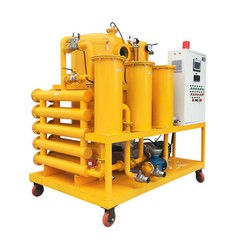
Hey everyone, if you've ever worked with transformer maintenance or substation upkeep, you've probably heard the big question around our industry: can a dielectric oil filtration plant actually run nonstop? I get it-most of us in the game have dealt with last-minute breakdowns, unexpected transformer failures, and the pressure to get oil back online fast. As someone who's been in the dielectric oil filtration plant game for years, I've fielded this question from so many team leads, plant managers, and maintenance heads, and today I want to break it down straight, no fancy jargon, and share what I've learned from working with hundreds of operations big and small.
First, let's get on the same page about what dielectric oil does, because that's the whole reason filtration plants exist. Dielectric oil (think mineral-based or synthetic oil used in transformers, circuit breakers, and other high-voltage gear) isn't just a lubricant-it's the insulator that keeps electricity flowing safely, and it also cools the equipment. Over time, that oil picks up moisture, tiny particulate contaminants, dissolved gases, and even gets discolored from oxidation. If you leave that gunk in there, your transformer's insulation breaks down, leading to hot spots, power outages, or even expensive, dangerous failures. That's where purification steps in-like what you'll find in Purification Of Transformer Oil, a process that removes all those harmful contaminants without needing to replace the oil entirely, which saves customers a ton of money long-term.
Now, back to the main question: continuous operation. A lot of people assume filtration plants are only for one-off, batch jobs-like when a transformer is taken offline for routine maintenance, you drain the oil, filter it, put it back, and wrap up. But here's the thing: modern dielectric oil filtration plants are built to run 24/7, 365 days a year, if set up right. The key isn't just the machine itself-it's matching the plant to the job, planning for minor maintenance, and addressing the common misconceptions that hold people back.
Let's start with why continuous operation makes sense for so many facilities. Substations and industrial plants that run heavy equipment (like steel mills, data centers, or large utility grids) can't afford extended downtime. If your transformer's oil is degrading, filtering it while the equipment is still running (online filtration, as we call it) means you don't have to shut down the whole unit to fix a problem. Instead, the filtration plant pulls a small, steady stream of oil from the operating transformer, runs it through the purification process, and sends it back-no disruption to power flow. That's where tools like Transformer Oil Refinery systems come in, because they're designed to handle a constant flow of oil without skipping steps.
Wait, but hold on-what about wear and tear on the machine? I've heard so many people say, "Running it nonstop will just break it," and that's a valid concern. But here's the truth: when you use the right equipment and stick to basic maintenance, a high-quality filtration plant can run continuously for years. Let's talk about the tech that makes this possible. Take High Vacuum Oil Transformer Purifier models, for example. Their core is a vacuum chamber that removes moisture and dissolved gases at a molecular level-no interruptions needed for that part. The particulate filters are replaceable, but if you size your system correctly, you only need to swap those out during a scheduled, planned maintenance window, not because the machine overheated or failed mid-run.
I've seen this firsthand with a large utility client in the Midwest a couple years back. Their grid serves three small cities, and they had an aging transformer that was picking up moisture faster than expected during the humid summer months. Instead of taking the unit offline for a whole weekend (which would have caused rolling blackouts), they set up a continuous filtration system using a Transformer Oil Filtration Machines setup. The machine pulled 10 gallons per minute of oil from the transformer, ran it through the vacuum and filtration process, and sent it back-we only had to replace the particulate filters once every two weeks, during a 15-minute window when they did a quick check of other substation gear. That system ran nonstop for 8 months straight, no issues, and their transformer stayed in perfect condition through the hottest part of the year.
But wait-there are limits, right? You can't just plug in any old filtration machine and leave it running forever. That's a mistake I see a lot of new operators make. Let's break down the key factors that make continuous operation possible, or what might stop it:
First, oil condition. If your dielectric oil is super degraded-like if it's got heavy oxidation, metal sludge, or extreme moisture levels (over 50 parts per million, usually)-a lot of filtration plants can't handle a full continuous flow. They need to run in batch mode first to get the oil down to a baseline level, then switch to continuous. ZYD-M Vacuum Insulating Oil Filtering units are great for this, by the way-they have a two-stage process that can handle heavily contaminated oil first, then shift to a steady, low-flow continuous mode once the oil is stable. That avoids overworking the machine and keeps it running long-term.
Second, maintenance planning. This is non-negotiable. Even the best filtration machine needs regular check-ins: changing filters, checking vacuum levels, lubricating moving parts, and making sure the heating elements (which keep oil viscosity low for better filtration) are working. If you try to skip maintenance to "maximize" run time, you'll end up with a breakdown that takes the whole plant offline, which is way worse than taking 30 minutes a week for quick checks. The goal is scheduled, preventative maintenance, not reactive fixes. We always tell our clients: set a calendar reminder for filter swaps and monthly deep checks, and your plant will run continuous for years without a hiccup.
Third, load matching. If you have a small, portable filtration unit meant for one-off jobs, don't try to run it 24/7 on a large 50,000-gallon transformer. That's a recipe for overloading the system. You need a plant sized for the volume of oil you're filtering and the contaminants you're dealing with. Too small, and it can't keep up, leading to longer run times and unnecessary wear. Too big, and you're wasting energy, but even that isn't a safety risk-it just means you're paying for more power than you need.
Another big misconception: people think continuous operation is only for large industrial facilities or utilities. Nope, even smaller operations can make it work. A local paper mill I worked with last year had a 10,000-gallon transformer for their main power press, and they were shutting it down once a quarter to filter oil, which cost them a full day of production every time. We set them up with the ZYD-M unit that runs 12 hours a day, 6 days a week, pulling 2 gallons per minute of oil, and now they only need to do a full filter swap every 3 months. Their downtime for oil maintenance dropped by 90%, and they haven't had a single issue with their transformer in over a year.
Now, let's talk about the downsides, because I don't want to sugarcoat this. Continuous operation isn't for every situation. If you have a transformer that's being decommissioned, you don't need to run a filtration plant 24/7-batch mode is fine, and it's cheaper. If your oil only needs a quick touch-up (like removing a small amount of moisture after a rainstorm), there's no reason to run it nonstop. Also, if you have really volatile oil (like synthetic oil with high flash points, for example), you might need to adjust the vacuum and heating settings, but modern plants are built with safety controls that prevent overheating or fires, so that's manageable.
Wait, and what about the cost? A lot of people ask if running a plant continuously is more expensive than batch runs. Let's do the math quick: if you have to shut down a transformer for a day, that's lost production, emergency rental gear, maybe overtime for maintenance crews. Continuous operation means you avoid all that. The power cost for running a filtration plant 24/7 is actually pretty low-most modern units use less power than a residential air conditioner. And the maintenance costs? Scheduled filter swaps and quick checks are way cheaper than replacing a failed transformer, which can cost hundreds of thousands (if not millions) of dollars.
So, to circle back to the original question: can a dielectric oil filtration plant be used for continuous operation? The short answer is yes-if you pick the right equipment, size it correctly, plan for maintenance, and match the system to your specific oil needs. It's not a one-size-fits-all solution, but for most facilities that rely on their transformers to stay online, continuous filtration is a game-changer that saves time, money, and avoids costly breakdowns.
If you're looking to set up a continuous dielectric oil filtration system, whether it's for a utility grid, industrial plant, or smaller facility, we've got options tailored to every need. From compact portable units for smaller operations to large-scale refineries for big industrial sites, we work with teams to figure out the right setup that fits their budget and needs. We've helped hundreds of clients switch from batch maintenance to continuous filtration, and most of them say they haven't looked back-no more rushed maintenance, no more unplanned downtime, just reliable transformer performance year-round.


Ready to chat about your specific setup? Whether you're dealing with frequent oil contamination, looking to cut down on maintenance downtime, or just want to learn more about how continuous filtration works for your equipment, we're here to help. No pressure, no sales pitch-just straight answers to whatever questions you have.
REFERENCES
- IEEE Guide for Diagnostic Field Testing of Electric Power Apparatus - Fluid-Filled Transformers (IEEE C57.152)
- Dielectric Oil Filtration: Principles and Applications, International Council on Large Electric Systems (CIGRE)
- Transformer Maintenance Best Practices, National Electrical Manufacturers Association (NEMA)
- Vacuum Filtration Technology for Insulating Oil Purification, Journal of Electrical Insulation and Dielectric Phenomena, 2021